By Daniel Serwer, @DanielSerwer ,
Washington, 22 October 2026, dtt-net.com – Serbia votes October 25, Israel October 27, and the US November 3. What is at stake?
Serbia
The Serbian election is a referendum on the Aleksandar Vučić, president since 2017. Term-limited, he dissolved parliament early so that he could lead an ethnonationalist coalition, Aleksandar Vučić – United Serbia, into the campaign. His coalition contests the sovereignty and independence of Kosovo and includes extremists who continue to celebrate Serbian genocidaire Ratko Mladic. If Vučić wins, he’ll return to power as prime minister, in imitation of his friend Vladimir Putin.
The main opposition is the Student List – Students Are Winning, which is an outgrowth of years of anti-violence, pro-environment, and anti-corruption popular protests. This list includes lots of relatively unknown people new to Serbian politics. It emphasizes education, health, housing, and other social issues. But they have also adopted a stand on Kosovo that denies its sovereignty and independence.
Government violence, abuse of the media, and limitations on voting rights have dominated the campaign. The students and their supporters have focused on mobilization in the streets.
Wikipedia’s compilation of the polling looks like this:
Rumint suggests the student list will do well, though whether it will beat the “SNS-led coalition” is questionable. The contest is not enjoying free and fair conditions, and Vučić has a long record of busing in voters from Bosnia and other maneuvers to ensure the outcome.
Israel
The Israeli election is a referendum on Benyamin Netanyahu, prime minister in 19 of the past 30 years. He is also leading an ethnonationalist coalition that includes Jewish extremists. Netanyahu opposes creation of a Palestinian state, prides himself on Israel’s military accomplishments, and denies responsibility for the Hamas October 7, 2023 attack on Israel. He is also under investigation for corruption.
The campaign in Israel is freer and fairer than in Serbia, though Netanyahu has sycophantic media and Palestinian citizens of Israel report pressure not to vote.
Netanyahu’s main opposition is Gadi Eisenkot, a former general who leads a new party termed Yashar (clean or straight). Eisenkot also opposes a Palestinian state but is less supportive of settlers on the West Bank, who have been attacking Palestinians. The latest opinion polling suggests Netanyahu’s Likud party may be in the lead:

But rumint suggests neither Likud nor Yashar will have enough seats in the Knesset to form a government without help from an Arab party. That would favor Yashar. Eisenkot has indicated he would not include an Arab party in his government. But he likely would accept support in the Knesset.
The US
At stake in the US are 35 Senate seats and 435 House seats. President Trump is not on the ballot in the US, but the midterms are in fact a referendum on him. That would likely be the case no matter what. But he has insisted on making himself the centerpiece of Republican campaigning in many states, emphasizing his white Christian nationalist and anti-immigrant credentials.
The Democrats have focused mainly on affordability issues. They blame increased inflation on the war with Iran, Trump’s many tariffs, cuts in healthcare funding, and increased interest rates.
The campaign itself is generally a free and fair one, but Trump has tried to buy votes with offers of agricultural subsidies, healthcare “refunds,” and a $5000 payment to individuals if Republicans win both Houses. This is not normal in US elections.
Trump efforts to limit voting are also intense, though the courts have blocked many of his proposals. There is no guarantee Election Day and thereafter will be free of Administration efforts to disrupt voting by stationing security forces at polling places, seizing voting machines and ballots, or threatening not to seat duly elected candidates.
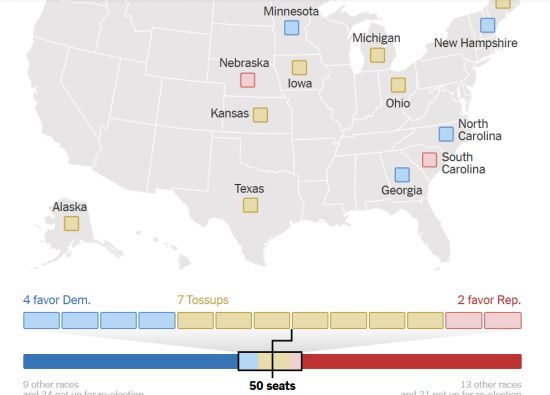
The House is more likely to fall into Democratic control
Rumint suggests the Democrats have a pretty good chance of winning both, though with only a thin margin in the Senate. But some hope for a major Blue Wave in both Houses.
What’s it all about?
In all three countries, corrupt ethnonationalist incumbents are trying to stem a tide of relatively liberal democratic opponents. I don’t share all the views of the Serbian students, of Eisenkot, or the Democrats. But I wish them well!