Brussels/Podgorica, 10 June 2026, dtt-net.com – The latest proposal of France, Germany, Netherlands, Belgium, and Luxembourg trying to convince other 22 EU member states to exempt new members from voting rights in the three domains, would make the frontrunner country in membership process, Montenegro, the first to face the test of being imposed bilateral accession treaty proposal, if all current member countries endorse the idea written in the “non-paper” by the five.
“The EU should have an in-depth discussion on the possibility of temporary, transitional limitations of voting rights for new Member States, in particular parts of the EU-acquis where unanimity is required (e.g. (parts of) enlargement, CFSP, MFF), taking due consideration of legal and political sensitivities,” the governments of the five countries write in the proposal to other EU member states.
The proposal at this stage, is “still in the phase of ideas” and so far, “all up for discussion” between member states, an EU diplomat told dtt-net.com.
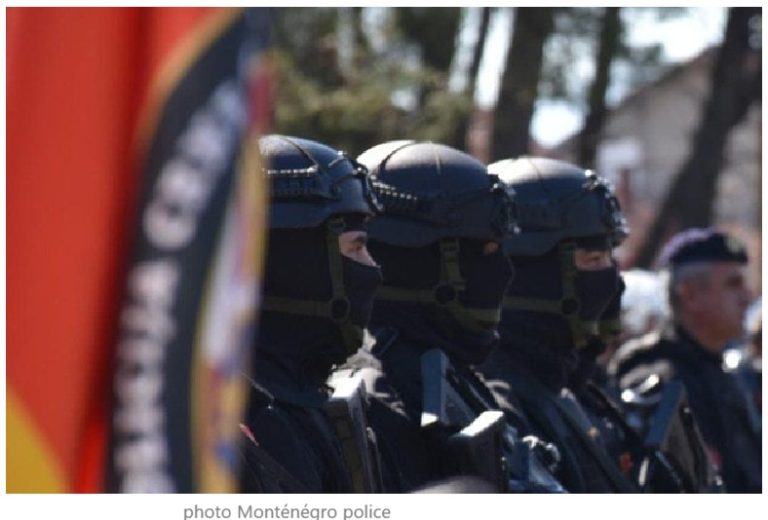
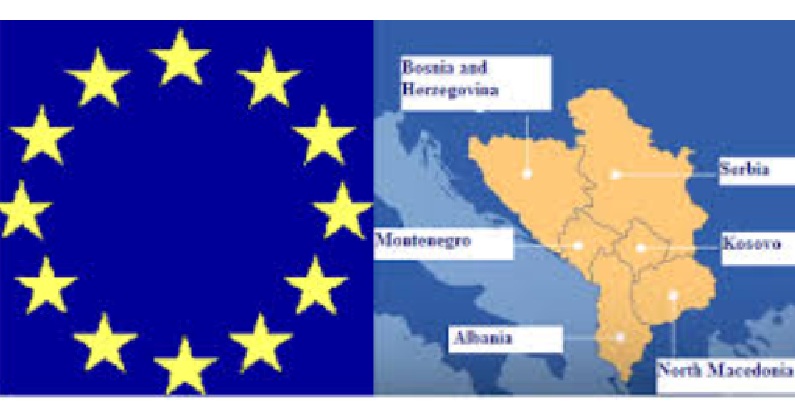
The “non-paper” does not clarify whether the idea of exempting new members from voting rights in the three domains should apply to all eight candidate countries (Albania, Montenegro, Bosnia and Herzegovina, North Macedonia, Serbia, Ukraine and Moldova), or to some of them, but the diplomat says that Montenegro is likely to be the first to be faced with the proposal to sign its accession treaty with such limitations on voting right.
“Indeed”, answered the EU diplomat when asked if the frontrunner country from the Western Balkans. could be the first one to be tested, if all 27 EU members endorse the proposal for voting rights temporary / transitional ban.
And in case endorsed by all EU states then it’s up to Montenegro to take a decision whether it wants to be newest members without voting rights in enlargement, foreign affairs and defence, and EU budget, or remain out of the European bloc.
“Without an accession treaty, there is no accession,” the EU diplomat said.
Montenegro government expects to close remaining 19 negotiating chapters later this year and the country become member of the EU in 2028.
Governments of 27 EU member states last month established a working group tasked to draft accession treaty for Montenegro.
The proposal skips ideas of changing EU Treaty for which consensus of all 27 is needed and focuses on incorporating such limitations through individual accession treaties, where still all of them must agree in order it can be imposed on candidate countries.
But the EU diplomat left open the possibility of not imposing voting rights ban to all seven candidate countries, suggesting that the idea is of “not a one-size fits all” approach.
“We could apply different transition measures and periods to different candidates,” the diplomat told dtt-net.com.
Albania is the second most advances country in EU accession negotiations, after Montenegro.
Albania has opened all negotiating chapters since the first ones in October 2024, and its government hopes for EU membership by 2030.
Serbia has launched EU accession negotiations in 2015, and has opened 18 negotiating chapters, of which 2 are already provisionally closed.
In December 2021 Serbia opened a Cluster 4 of four chapters – already opened and which need to be closed – in accession talks. Since then, it has not opened nor closed any chapters/clusters in the negotiation process for membership in the European bloc. Serbia’s negotiations are mainly stalled because of refusal to join EU sanctions against Russia and ongoing lack of progress at EU-mediated talks with Kosovo, on top of insufficient reforms.
North Macedonia’s has not opened any negotiating chapters so far, as it is refusing to include Bulgarian community in the Constitution, a condition imposed by Bulgaria and embraced by other 26 EU members in 2022.
Bosnia and Herzegovina (BiH) was granted EU candidate status in December 2022 but has not opened any chapters because of insufficient progress with Brussels-set reforms as consequence of political disputes between Bosniak, Serb and Croat parties.
Kosovo has applied for membership in December 2022, but the application is not being treated so far, as five countries (Greece, Cyprus, Romania, Slovakia, and Spain) do not recognize its statehood.
Ukraine and Moldova are granted candidate status in June 2022 and in June 2024 the EU held its first intergovernmental conference with both countries, formally opening the membership negotiations, but no negotiating chapters are opened yet with the two countries.