

Kosovo rarely makes business headlines in Brussels. This week, it has a good reason to
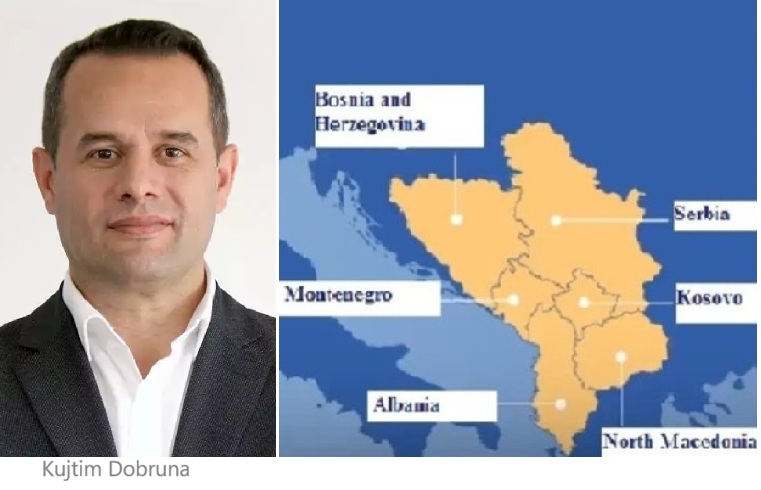
By Kujtim Dobruna @KujtimDobruna ,
Prishtina, 05 November 2026, dtt-net.com – On 3 November, Kosovo launched its national electronic identity platform, digital wallet and electronic signature application.
Connected to the eKosova public services portal, the system includes electronic signing for business registration among its first announced uses. It opens the way for more transactions to be completed without a journey to a public office.
Anyone who has run a small company will understand why this matters. A morning spent collecting documents or waiting for a signature is a morning away from the business. When the owner is also the salesperson, accountant and delivery driver, administrative inconvenience has a real cost.
Reducing that cost improves the business environment. It also matters for foreign investment. Investors considering Kosovo will ask about taxes, skills and access to markets, but they will also want to know how the administration works. Can they establish a company efficiently? Can they manage routine affairs from abroad? Will a straightforward procedure require someone to appear in person?
Electronic identity can help answer those questions more favourably as its use spreads.
For members of Kosovo’s Diaspora looking to invest or run a business at home, the benefits could be particularly useful. Distance becomes less of an obstacle when documents can be signed and procedures completed remotely.
For those of us at ECIKS (Economic Initiative for Kosovo) who worked on the earlier preparations, the launch carries particular significance. Through the ACCESS project, which ran from 2018 to 2022, we worked with Danube University Krems, now the University for Continuing Education Krems, to develop sub-legal acts supporting Kosovo’s law on electronic identification and trust services.
ACCESS was implemented by ECIKS with support from the Austrian Development Agency (ADA), using funds from Austrian Development Cooperation. Its purpose was to help Kosovo’s small businesses become more competitive through digitalisation, better business services and access to markets.
Our work with companies made the need for wider reform clear. A firm could invest in software and move its own processes online, yet still spend hours dealing with paper-based administration. Supporting the rules for electronic identity was a way to tackle part of that problem beyond the company’s own front door.
Security was part of this work from the outset. Under ACCESS, ECIKS also developed Kosovo’s draft cybersecurity framework aligned with the EU’s Network and Information Security Directive, known as NIS, together with accompanying sub-legal acts. An EU IPA project subsequently developed this work further towards alignment with NIS2, the EU’s updated cybersecurity directive. The aim was to prepare Kosovo for the responsibilities that come with moving more public services and business transactions online.
These were contributions to a much larger effort. The European Union financed the electronic identity platform through IPA funds, and Kosovo’s institutions brought it into operation. The Austrian-supported preparation and subsequent EU assistance show the value of staying with a reform over several years, building on earlier work as needs and European standards evolve.
The launch deserves recognition, although its full value will depend on what follows. Officials must accept digital submissions in practice. Procedures must become simpler. Businesses need clear information about which services they can use. A digital signature achieves little if someone still asks for a printed copy at the counter.
The same applies to cybersecurity legislation. Rules need capable institutions, trained staff and sustained investment behind them. People must be able to trust that their identity and personal information are protected, and that help is available if something goes wrong.
Brussels should make room for this Kosovo in its discussions: a country making practical improvements, supported by European partners and its own professionals. For a business owner who can finish an administrative task before opening the shop, that progress will be quite real.
–
About the author :
Kujtim Dobruna is the founder of ECIKS and a business consultant with more than 20 years of experience in private sector development, investment promotion and economic reform.
He led the ADA-supported ACCESS project in Kosovo from 2018 to 2022, including its work on digitalisation, electronic identification and cybersecurity. He advises businesses and public institutions across European markets.
